Window Tinting: A Practical Guide for Car Owners
When it comes to upgrading your vehicle, window tinting stands out as a top choice for many car owners. It’s not just about aesthetics, window tinting offers a multitude of benefits, such as UV protection, heat reduction, and increased privacy.
However, before you rush to get your windows tinted, it’s important to understand the different types of tints available, the legal restrictions in your area, and the best practices for maintaining the tint. In this guide, we’ll explore everything you need to know about window tinting, from the types of films to how to choose the right professional service.
What is Window Tinting and Why Consider It?
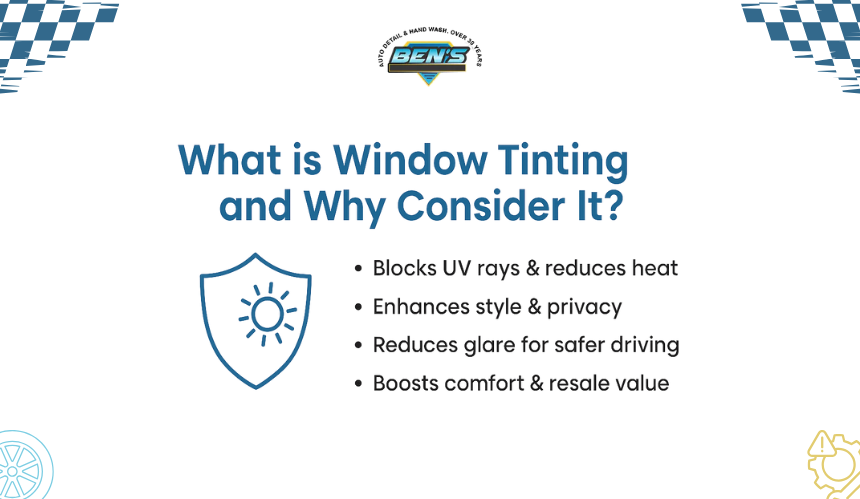
Window tinting is the application of a special film to your vehicle’s windows, offering much more than just a cosmetic upgrade. It’s an essential addition that provides practical benefits such as protection from UV rays, heat reduction, and enhanced privacy, while also improving the aesthetic appeal of your car. Whether you’re aiming to protect your vehicle’s interior, improve driving comfort, or boost security, window tinting is a worthwhile investment.
Protection from UV Rays and Heat
One of the primary reasons car owners opt for window tinting is to protect their vehicle’s interior and themselves from harmful UV rays. These rays can cause fading, cracking, and discoloration of your car’s upholstery, dashboard, and seats. Tinted windows act as a barrier by blocking up to 99% of harmful UV rays, thereby reducing the risk of sun damage and helping preserve the interior of your car for longer. Moreover, it helps maintain the coolness inside your vehicle by blocking out heat, reducing the need for air conditioning, and making your car more comfortable during hot weather. This can lead to fuel savings, as you use less energy to cool down your car. In addition, window tinting offers skin protection, shielding you from sunburn and reducing your overall exposure to harmful UV radiation, especially on long drives.
Aesthetic Appeal and Privacy
Window tinting does more than just protect, it enhances the aesthetic appeal of your vehicle. Tinted windows give your car a sleek, modern appearance that can make it stand out and give it a more stylish, polished look. Depending on the shade of tint you choose, you can create a customized appearance that complements the exterior color and design of your vehicle. But the benefits of window tinting aren’t limited to appearance alone.
Privacy is another key reason for opting for tinted windows. It makes it much harder for people to see inside your vehicle, thus providing personal privacy and giving you peace of mind.
Improved Safety and Reduced Glare
One of the less obvious but incredibly useful benefits of window tinting is reduced glare. Glare from the sun or headlights from other vehicles can make it difficult to see, especially during sunrise or sunset. Tinted windows reduce the intensity of sunlight, which not only enhances your ability to drive safely but also decreases eye strain. By improving visibility, you can focus more easily on the road and have a safer driving experience.
Enhanced Comfort During Hot Weather
With tinted windows, your car remains much cooler, even during the summer months. The heat reduction offered by high-quality window films can keep the temperature inside your car more stable and comfortable. By minimizing the amount of sunlight entering, window tinting helps maintain a cooler cabin, even when the outside temperature soars. This, in turn, reduces the amount of time your AC system has to work, lowering your fuel consumption and increasing energy efficiency.
Increased Vehicle Resale Value
Besides all the practical advantages, window tinting can increase the resale value of your vehicle. A car that has well-maintained and protected interior surfaces, such as upholstery and dashboards, will likely have a higher market value. Window tinting protects these elements from fading or cracking, allowing your car to retain its appeal and condition over time. This makes it a valuable upgrade that not only enhances your driving experience but can also be a selling point when it’s time to trade or sell your vehicle.
Types of Window Tinting
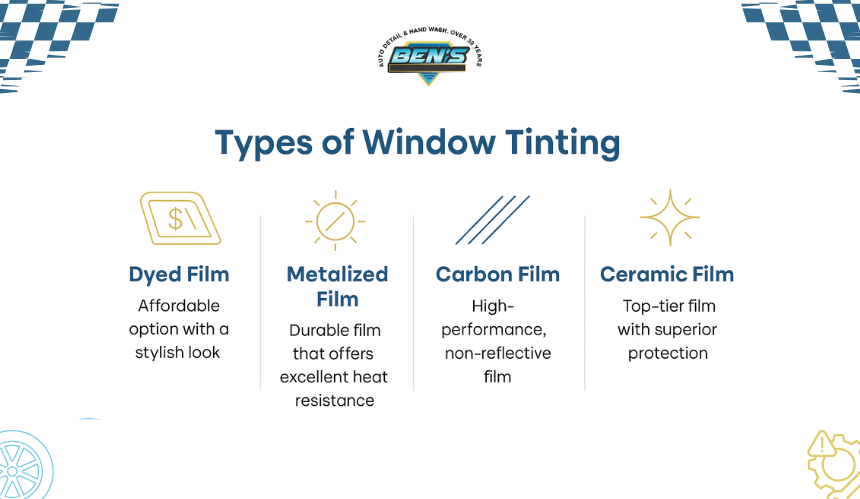
1. Dyed Film: Budget-Friendly and Stylish
Dyed film is one of the most affordable options available for window tinting. This film is primarily used for aesthetic purposes, offering a sleek look while helping to block glare and reduce fading inside the car. While it provides minimal heat reduction compared to other options, it’s a great choice for those on a budget.
2. Metalized Film: Durable and Heat-Resistant
Metalized film consists of tiny metallic particles embedded in the film. This type of tinting is highly effective at reducing heat and blocking UV rays, making it a good choice for drivers in hot climates. However, keep in mind that it can interfere with signal reception for devices like GPS, mobile phones, and satellite radio.
3. Carbon Film: High-Performance and Non-Reflective
Carbon film offers excellent heat and UV protection without the interference caused by metallic films. It has a sleek matte finish and is resistant to fading. It’s an ideal choice for those who want high performance but don’t want the shiny, reflective look of metallic films. Carbon films are often more durable and longer-lasting than dyed films.
4. Ceramic Film: Top-Tier Protection
Ceramic film is the best choice for window tinting when it comes to heat reduction and UV protection. It blocks up to 99% of UV rays and reduces heat by up to 50%. Unlike metalized or carbon films, ceramic films do not interfere with electronic signals, ensuring that your phone, GPS, and radio function properly. While ceramic tinting is the most expensive option, it’s the highest quality and offers the best long-term benefits for your vehicle.
Legal Restrictions on Window Tinting
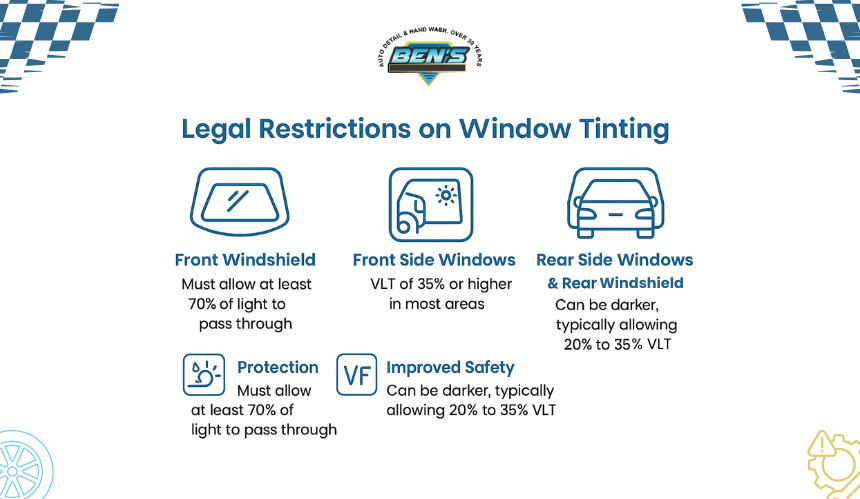
Before deciding on the level of tint you want for your windows, it’s essential to check the legal restrictions in your area. Each state has specific laws regulating the Visible Light Transmission (VLT) of window tints, determining how much light must pass through the windows.
Understanding VLT Requirements
- Front Windshield
Must allow at least 70% of light to pass through.
- Front Side Windows
VLT of 35% or higher in most areas.
- Rear Side Windows & Rear Windshield
Can be darker, typically allowing 20% to 35% VLT.
Failure to comply with local tint laws can result in fines or having to remove the tint. Always consult with a professional window tinting service that understands the regulations in your area to ensure compliance.
Choosing the Right Window Tinting Professional
Expert Installation for Longevity
When it comes to window tinting, the quality of installation is just as important as the tint itself. A poorly applied tint can result in bubbles, peeling, and streaks, which will reduce the longevity and effectiveness of the tint. Choose a professional window tinting service with experienced installers who follow proper procedures to ensure the best results.
Reputable Companies with Warranty
Look for a reputable company that offers a warranty on their tinting services. This guarantees that you’re getting a high-quality product that will last and protects you from any installation defects. Ask about the brands and types of films they use to ensure you’re getting the best product for your needs.
Maintenance and Care for Tinted Windows
Cleaning Tips for Tinted Windows
Once your windows are tinted, it’s essential to take care of them properly. To maintain the appearance and longevity of your tint, avoid using harsh chemicals or abrasive cleaning materials that could damage the tint. Instead, use a non-ammonia window cleaner and a soft cloth or microfiber towel to clean the glass.
Wait Before Rolling Down Windows
After installation, it’s important to wait at least 3 to 5 days before rolling down your windows. This allows the tint to fully cure and bond with the glass. Rolling down the windows too soon can result in bubbles or peeling.
Periodic Maintenance
To keep your tint in top shape, ensure that you regularly check the film for any signs of damage or peeling. If you notice any issues, consult with your tinting service to have the problem addressed promptly.
Conclusion
Window tinting is more than just a cosmetic enhancement for your vehicle, it provides UV protection, heat reduction, privacy, and security. By understanding the different types of window tinting, checking local laws, and choosing a professional installation service, you can enjoy all the benefits of tinted windows for years to come. Whether you opt for a ceramic film for maximum protection or a more budget-friendly dyed film, window tinting is an investment that improves your car’s comfort, looks, and value.